Changing things through students
How you can use community organising to achieve change – with Citizens UK.
Recording coming soon
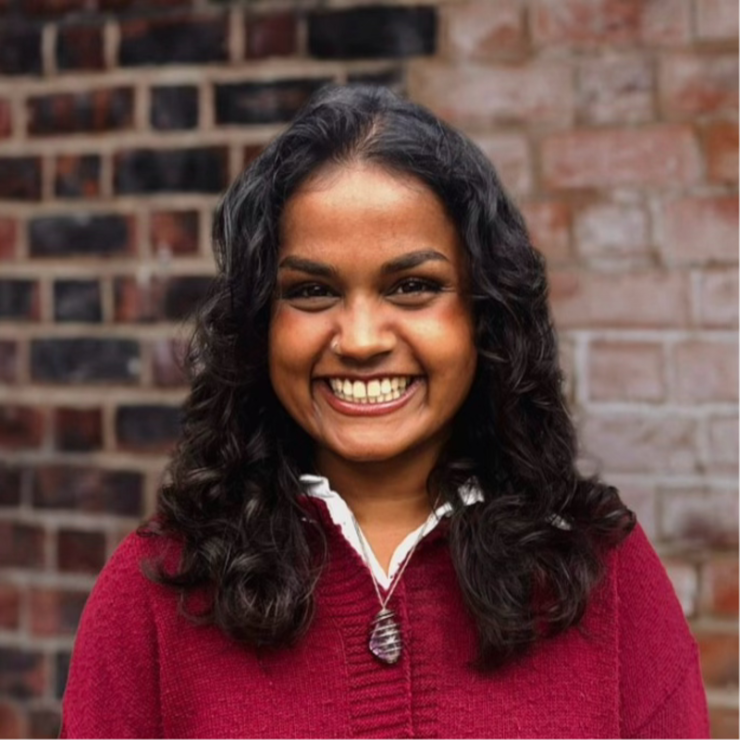
Hosted by
Sharanya Sivarajah
Community and Policy Officer, Wonkhe
We explore how SUs can turn student membership into organised power that wins real change. We cover the method behind community organising – listening, building relationships, developing leaders and holding power-holders to account – and look at how house meetings, citizens' assemblies and civic agreements work in practice, with examples from Aston, QMUL, Reading, Nottingham and King's College London.
In this session
What we cover
- Who Citizens UK are – a people-powered alliance of 500+ civil society organisations across 18 chapters, behind the real Living Wage.
- Community organising as a method – organise, listen, plan, act, negotiate, and the iron rule: never do for others what they can do for themselves.
- Power – power with versus power over, and how to turn student voice mechanisms into organised power that can compel change.
- Building power – internal solidarity, external solidarity and agenda, and mapping power onto key stakeholders.
- The "chicken run" – how student leaders negotiated Halal provision directly with Nando's executives.
- Power in action – Aston's Civic Agreement, QMUL's mental health win, Birmingham's £84m homelessness announcement and KCL's Social Change Lab.
- House meetings – Fred Ross's listening method for surfacing stories, identifying leaders and staying genuinely student-led.
- Citizens' assemblies – people-led accountability events that win public commitments from decision-makers.
- Elections as opportunities – non-partisan pre-election assemblies, and why a well-organised one is among the most powerful things an SU can do.
- The civic SU – civic university agreements, belonging, and breaking the town-and-gown bubble.